NYC Brownstone Backyard Makeover: Landscape Design Brooklyn Rules That Prevent Costly Re-Dos
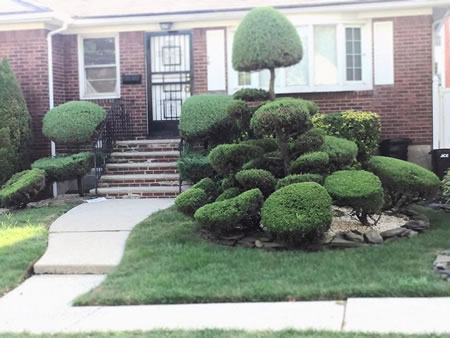
Brownstone backyards in Brooklyn are beautiful, tight, and full of character. The right plan makes them feel twice as big. The wrong plan leads to do-overs, delays, and headaches. This guide shares field-tested rules from local projects so your space serves real life in Park Slope, Carroll Gardens, Bed-Stuy, Fort Greene, and beyond. If you want a pro-led start, explore our landscape design brooklyn service to see how Adkins Landscape Contracting plans every inch with purpose.
We keep the language simple, the rules practical, and the finish refined. The goal is a yard that looks timeless and works hard for daily life.
What To Decide First In A Brownstone Backyard
Before you think about materials or plants, lock in the high-level choices. These early decisions drive layout, budget, and future maintenance.
- primary use: quiet retreat, kid play, entertaining, or a mix
- flow: straight path from stoop to rear, or a gentle S-curve that slows the view
- sun and shade: where the light lands in june vs. october
- privacy level: full screening, filtered views, or open
- storage: bins, cushions, bikes, toys, grill tools
- pets: durable surfaces and easy hose-down zones
- future add-ons: lighting, irrigation, pergola, or planters
Measure access before you design. Many backyards rely on a narrow garden-level door or stoop stairs. Oversized slabs, planters, or furniture that cannot fit through will cost you time and rework.
Landscape Design Brooklyn Priorities That Prevent Re‑Dos
Brownstone lots are long, narrow, and often shaded by buildings and trees. Successful layouts use clean geometry and clear zones.
Start with the circulation spine, not the patio. Decide how people move from the back door to the rear. Set landing sizes that match real furniture and traffic. Keep edges straight so maintenance stays simple. Leave service corridors for trash, deliveries, and plant care. Plan for drainage early so patios pitch away from the house and planting beds can breathe.
Small-Space Hardscape Ideas That Make Every Inch Work
Hardscape shapes the room. In tight yards, a few smart moves change everything:
- choose one main paving family and one accent to avoid visual clutter
- use larger-format pavers to reduce joints and make spaces read bigger
- build benches into planters to double seating without bulky chairs
- float stepping pads in decorative gravel to create rhythm and easy drainage
- tuck a slim landing under the stoop for grill staging or wood storage
Choose materials rated for freeze‑thaw cycles and salt exposure. In Brooklyn winters, that single choice protects edges, joints, and steps from early failure.
Privacy Planting Without Losing Light
Privacy is a top request in rowhouse blocks, but heavy screening can steal sunlight. Think layers, not walls. Use slim, upright forms near fences, then soften with mid-height shrubs and seasonal vines. Trellises and cable systems allow thin, fast coverage where roots compete with masonry and tree roots.
Smart pairings for narrow yards include:
- thin evergreen screens near the fence with airy flowering vines in front
- espaliered small trees on trellis to save floor space yet lift the eye
- planter boxes with integrated seating to blend comfort and cover
Aim for filtered privacy, not blackout. Let light move through leaves so patios and groundcovers stay healthy.
Drainage And Storm‑Ready Details
Heavy summer rain and nor’easter remnants can turn flat yards into shallow pools. Good design adds gentle pitch, permeable joints or bands, and places for water to soak or move without crossing walking paths. Keep soil and mulch away from house walls so moisture does not linger against masonry.
Local insight: intense pop-up storms in Brooklyn can overwhelm small yards. Confirm where water will travel during a downpour and select surfaces that help it soak away safely instead of shedding it toward the house.
Downspouts and neighboring roof drains may enter at the rear. Your design should respect those flows with gravel pockets, channel edges, or discreet collection points. The right moves are almost invisible once planting fills in.
Shade, Heat, And Wind: Designing For Brooklyn Microclimates
Most brownstone yards see shifting light, reflected heat from brick, and wind tunnels between buildings. Choose a palette that tolerates partial shade near the house and brighter light toward the rear. Place delicate plants away from egress paths and high-traffic corners. In windy corridors, anchor taller plants with lower, denser layers so the garden reads calm and structured.
Daily‑Life Details People Forget
The best backyards make everyday tasks easy. Plan outlets where you’ll use them, not where they happen to exist. Leave a landing for the grill lid to open fully. Allow room to bring a stroller or bike through without scraping planters. If evenings are your favorite time outside, sketch light layers now and save the run to fixtures for later. For ideas that blend beauty and safety, see these low‑voltage outdoor lighting ideas from our team.
A Simple Layout That Works Across Neighborhoods
Picture this common, flexible layout used in Cobble Hill, Clinton Hill, and Windsor Terrace. Near the house, a generous rectangular patio supports a small table or lounge set. Mid‑yard, a narrow planting band guides you along the path and divides uses without blocking views. At the rear, a built‑in bench sits against a slim privacy screen with climbing vines. The long axis feels intentional, and maintenance stays straightforward. You can scale this layout up or down without losing the look.
Material notes that pair well with rowhouse architecture: bluestone or concrete pavers for the field, clay brick for edges or insets, cedar or painted steel for screens, and powder‑coated planters for tight corners. Keep color families simple so plants and furniture do the talking.
Good‑Neighbor And Property‑Line Considerations
Shared boundaries matter in townhouse blocks. Confirm property lines and fence ownership before you plan heights or finishes. If a screen or trellis faces a neighbor’s window, set it back slightly and favor lighter, open patterns. Avoid adding soil against older masonry or covering vents. These choices protect structures, sightlines, and relationships.
How To Keep Maintenance Low Without Losing Style
Reduce weekly chores by designing with structure first. Use evergreen bones for year‑round shape, then add seasonal color in pockets where it counts. Keep planting beds reachable from paths so trimming and cleanup do not require stepping on soil. Choose groundcovers in narrow strips where grass struggles. A tidy edge and consistent mulch color make even small spaces look professionally finished all year.
When To Bring In A Pro
Complex access, grading, and long-term planting health are easier with a specialist. If you want a team that designs for Brooklyn’s light, wind, and storm patterns, start with our brooklyn landscape design service page to see how the process works. Or, if you are still gathering ideas, bookmark Adkins Landscape Contracting for landscape design brooklyn resources and inspiration as you plan.
Ready To Transform Your Brownstone Backyard?
Let Adkins Landscape Contracting turn a narrow yard into your favorite room. Our designers map access, drainage, privacy, and materials so you avoid re‑dos and love the result in every season. Tell us how you want to use the space, and we will shape a clean, timeless layout around it. Start here: landscape design brooklyn. Or call us at 646-679-9943 to schedule a site visit.
Contact Your Brooklyn Lawn Care And Landscaping Professionals Today For A Free Estimate!